The Ferrari Case
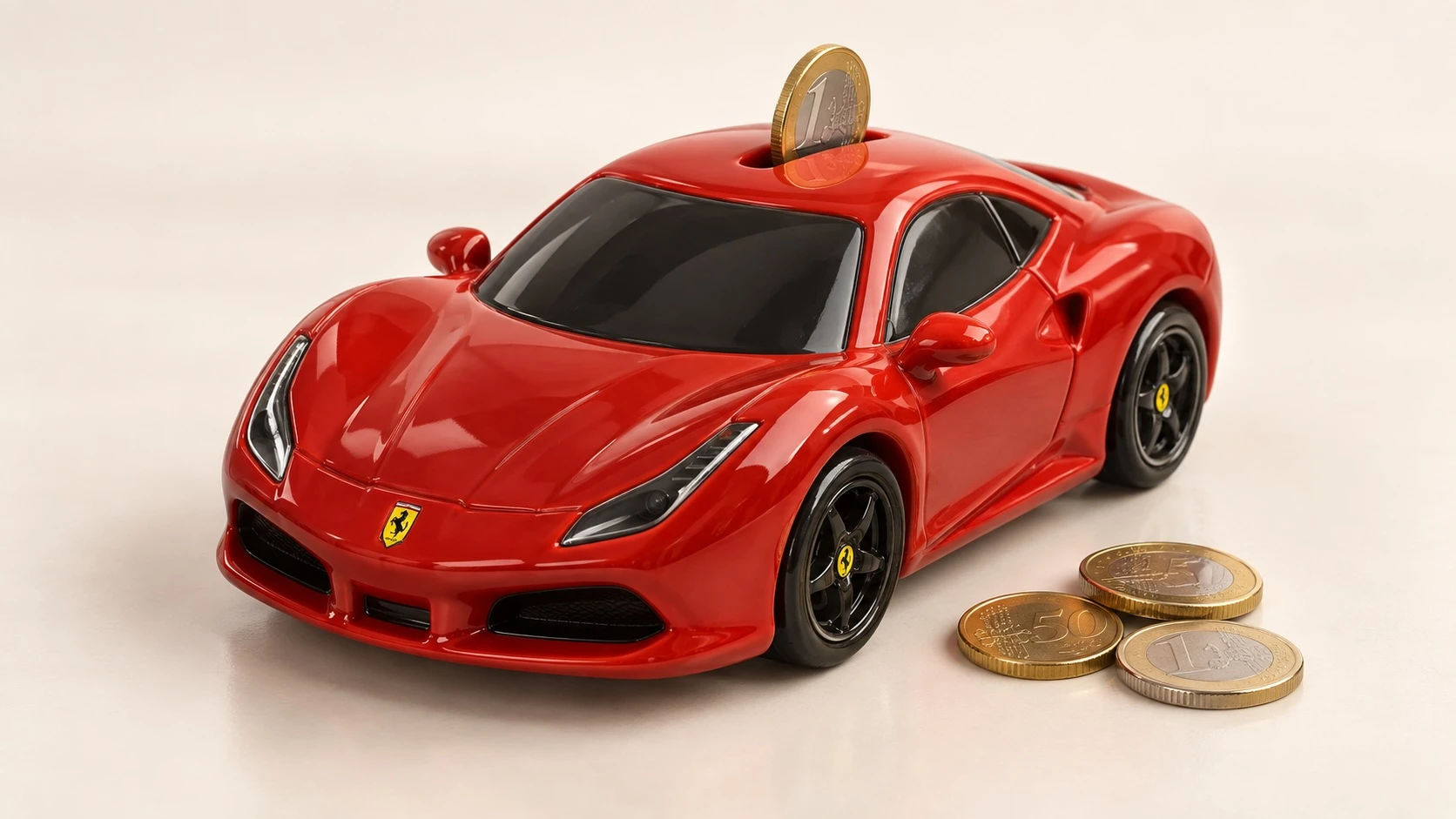
Ferrari stock performance has been outstanding in the last year or so - it has grown like a proper luxury goods company rather than an automaker. Its sales are very good and are well booked into the future. It has had a multi year surge:
The stock has delivered a ~107% return over the past 5 years, nearly doubling shareholders’ money.
At a Price-to-Earnings (P/E) ratio sitting near 37, the market has already priced in near-perfect execution for the next few years.
To protect the stock’s value during market swings, Ferrari runs a massive €3.5 billion multi-year share buyback program. By aggressively buying back its own shares (€57.5 million repurchased in September 2026 alone), Ferrari artificially reduces share supply, boosting its earnings-per-share metrics even when the market is choppy.
Ferrari’s latest results support the luxury-company argument: revenue and profit rose even as it delivered fewer cars. The key uncertainty is how much growth investors are paying for. Buybacks help earnings per share, but they cannot guarantee the share price or make an expensive purchase good value.
The data also changes the recent-performance picture: the US shares closed at about $386.50 on 6 October, roughly 21% below a year earlier. And the €57.5 million buyback figure covers Milan purchases through 25 September; purchases across both exchanges were about €76.6 million by that date.
Ferrari’s 2030 plan points to roughly 5% annual revenue growth from 2025. That leaves room for solid long-term progress, but today’s valuation needs either stronger earnings growth or a sustained premium to produce high returns.
Ferrari could be a good long-term holding, but I would be cautious about starting a large position at today’s valuation. Its competitive advantage looks durable; the harder question is whether earnings will grow fast enough to deliver attractive returns from roughly 37 times earnings.
Your luxury-company interpretation is well supported. In Q2 2026:
-
Revenue rose 8% to €1.94 billion, while deliveries fell approximately 3.7% during model changes.
-
Operating profit rose 10%, with a 31.2% operating margin.
-
Management reported an order book covering all of 2027.
That combination shows Ferrari’s ability to earn more through its model mix and personalisation, without needing to manufacture many more cars. Ferrari’s Q2 results.
Customer loyalty adds substance to the brand story: approximately 84% of new cars sold in 2025 went to existing Ferrari owners. Controlled supply, collector relationships and limited editions give Ferrari considerable pricing power. My assessment is that these advantages can persist for years, provided management protects exclusivity and keeps producing desirable cars. Ferrari’s 2025 annual report.
https://www.sopheons.com/behind/the-statistical-investor/the-ferrari-case
Originally published on Substack on 07 October 2026.